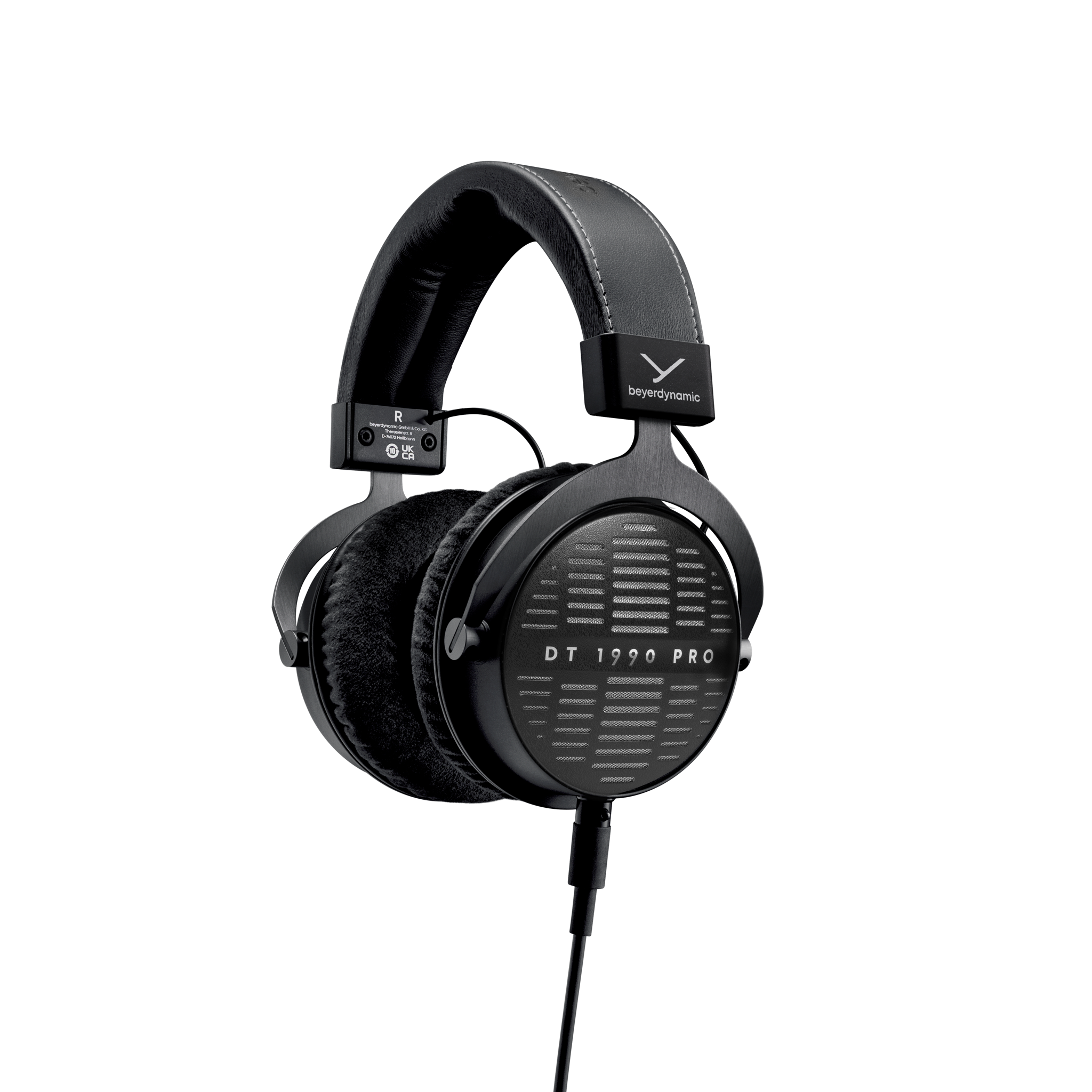
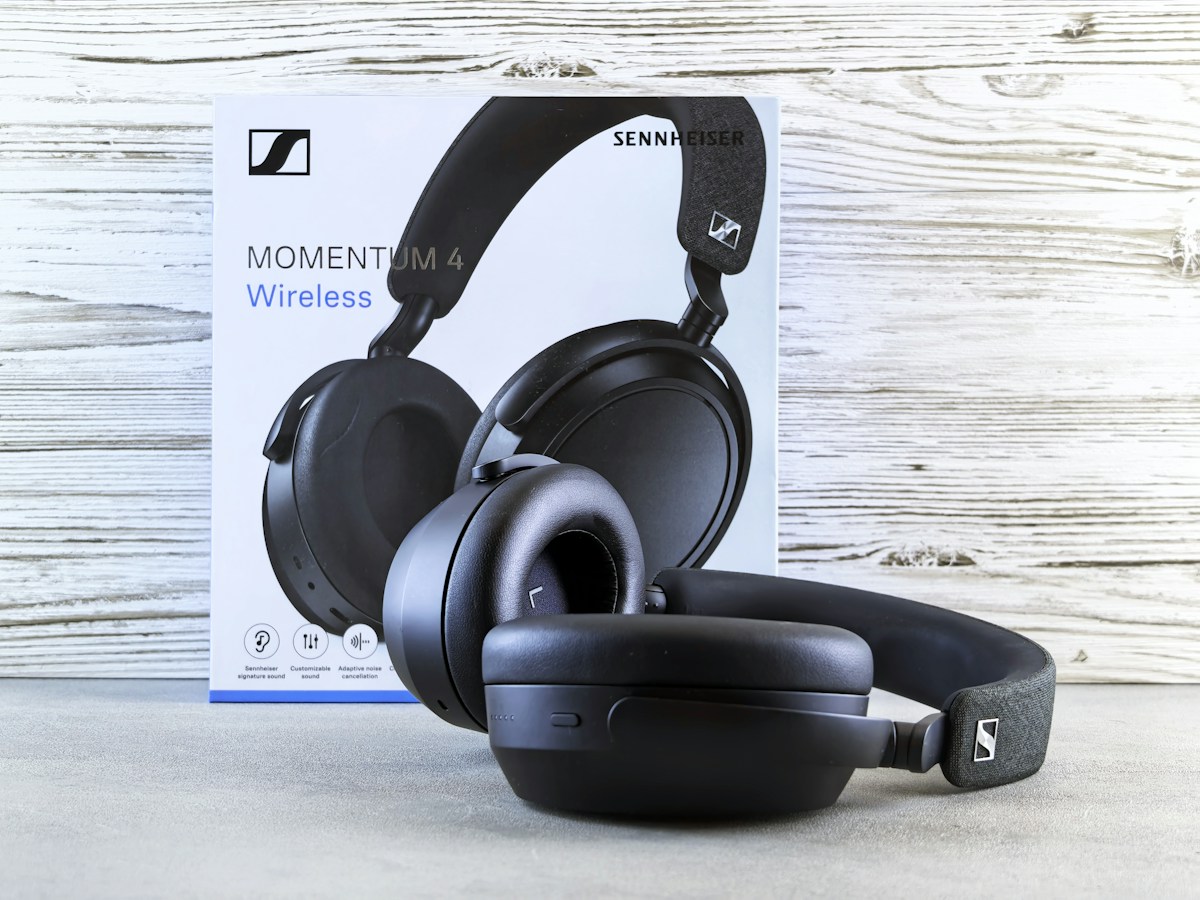
THE DIFFERENCES THAT MATTER
Sony WH-1000XM5 vs Sennheiser HD 660S2: wireless ANC or open-back?
Compare closed wireless ANC and wired open-back headphones as complete room, source and connection choices.
Researched from manufacturer sources. These products have not been hands-on tested for this article.
START HERE
Is your usual listening place noisy and shared, or quiet enough for an open-back wired setup?
Sony WH-1000XM5 and Sennheiser HD 660S2 solve different listening problems. Sony combines Bluetooth, active noise cancellation and a closed over-ear design. Sennheiser is wired and open-backed, with no active noise cancellation. Choosing between them starts with the room and the source equipment, not an assumption that an audiophile label, cable or wireless codec automatically establishes better sound for every listener.
Sony WH-1000XM5
A good fit if: A shortlist option for compatible LDAC sources or buyers who value a lower listed headphone weight.
The tradeoff: Its published noise-cancelling battery maximum is lower than MOMENTUM 4, and a codec label does not establish audible superiority.
Sennheiser HD 660S2
A good fit if: A shortlist option for private listening with a source that has an appropriate headphone output.
The tradeoff: An open back does not isolate a shared workspace, and a plug adapter does not establish sufficient output from every source.
As an Amazon Associate I earn from qualifying purchases. How shopping links work.
WH-1000XM5
View this model on Amazon : Sony WH-1000XM5 (opens in a new tab)Check the seller, exact variant, price and included accessories.HD 660S2
View this model on Amazon : Sennheiser HD 660S2 (opens in a new tab)Check the seller, exact variant, price and included accessories.See the product photos and comparison illustration
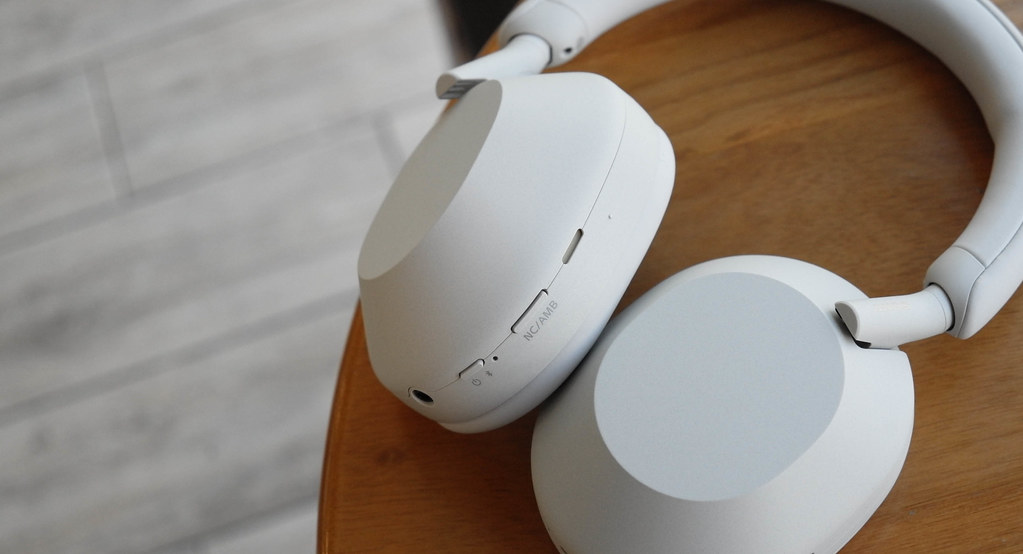
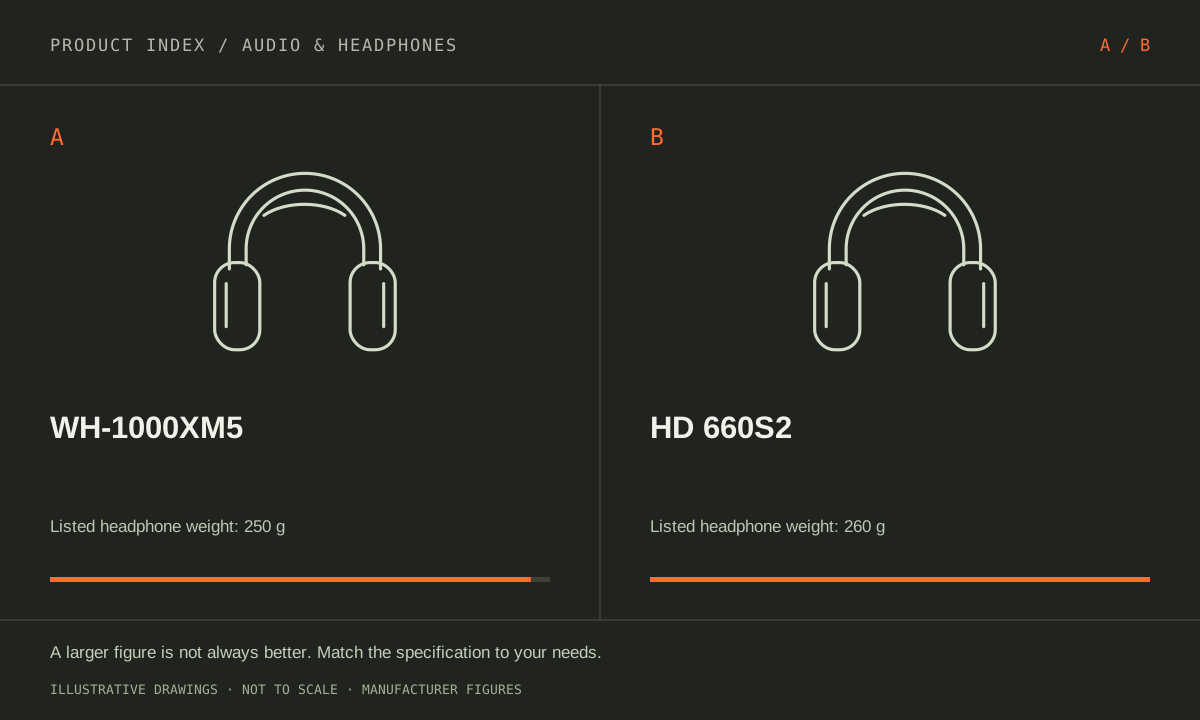
The facts, side by side.
Manufacturer specifications for the named models. On small screens, scroll the table sideways. A blank research field means the fact was not included here, not that the manufacturer does not publish it. Conditions and differently scoped specifications are kept separate.
| What matters | WH-1000XM5 [1] | HD 660S2 [2] |
|---|---|---|
| Style | Closed-back, over-ear | Wired open-back, circumaural dynamic headphones |
| Listed headphone weight | Approximately 8.82 oz / 250 g | 260 g without cable (official quick guide) |
| Music battery claim | Up to 30 hours with noise cancelling on | Not included in this comparison |
| Full charge claim | Approximately 3.5 hours | Not included in this comparison |
| Bluetooth version | 5.2 | Not included in this comparison |
| Connection detail | SBC, AAC, LDAC; stereo mini-jack input | Not included in this comparison |
| Nominal impedance | Not included in this comparison | 300 ohms |
| Source connection | Not included in this comparison | 6.35 mm unbalanced and 4.4 mm balanced cables |
| Included cables | Not included in this comparison | 1.8 m cables; 6.35-to-3.5 mm adapter |
| Noise cancellation | Not included in this comparison | No active noise cancellation |
Listed maximums are manufacturer claims under their stated conditions, not results from our own testing. Regional versions and bundles can differ. No live prices or stock claims are shown.
The room can decide before the electronics do
In a shared workspace or on a commute, outside noise and sound leakage matter. The open-back HD 660S2 allows sound exchange with the room and does not provide active noise cancellation. It may be appropriate for a private listening position where that openness is acceptable. It is a poor purchase if the central requirement is keeping room noise out or avoiding audible playback near other people. A separate amplifier cannot change the physical design into isolation.
WH-1000XM5 offers active noise cancellation, but the feature should not be treated as complete silence or a hearing-protection rating. Fit and the situation affect the experience. Identify whether you need to hear announcements, speak with colleagues or monitor surroundings, and use the available controls appropriately. Neither product’s category label replaces a fit check. The practical buying question is which design suits the place where most listening actually happens, rather than an occasional idealized listening session.
Manufacturer references: WH-1000XM5 · HD 660S2
A wired source chain needs a complete connection plan
HD 660S2 has a 300-ohm nominal impedance and includes both unbalanced 6.35 mm and balanced 4.4 mm cable options, with a 3.5 mm adapter. The source must have a suitable headphone output for the chosen connection. A DAC converts digital audio; a headphone amplifier supplies an output for the headphone. Some products combine those roles. Determine what the existing computer or player already provides before adding equipment simply because a shopping guide uses the term DAC.
Sony’s normal wireless workflow uses its internal electronics, battery and a supported Bluetooth connection. Its analog cable option should be assessed separately in the manual, including the behavior with power and processing enabled or disabled. This article does not include a separate DAC or amplifier in either shopping package. If the Sennheiser requires new source equipment for your intended use, compare that complete arrangement’s cost, desk space, cables and portability instead of comparing only two headphone boxes.
Manufacturer references: WH-1000XM5 · HD 660S2
Battery dependence and control convenience are different tradeoffs
Sony lists up to thirty hours of music with noise cancellation enabled, under its conditions. It must be charged for its powered features. The wired Sennheiser has no onboard listening battery, but remains dependent on a working source and its output. That distinction can matter during a long desk session or when moving repeatedly between rooms. It does not establish that either arrangement sounds better or is automatically more reliable over years of ownership.
The listed headphone weights are close, approximately 250 g for Sony and 260 g without cable in Sennheiser’s guide. Those numbers cannot predict clamp, pad heat or comfort for a particular head. Try the intended wearing duration and controls where possible. Favor Sony for a wireless, noise-managed routine across noisy or shared locations. Favor HD 660S2 for private-room wired listening with an appropriate source and acceptable leakage. Audition evidence, rather than a technology stereotype, should guide any sound preference.
Manufacturer references: WH-1000XM5 · HD 660S2
A CLOSER LOOK AT OWNERSHIP
Beyond the specification sheet.
Additional model-specific document research checked October 20, 2026. The original comparison’s specification check date remains shown above.
Check the complete setup before ordering
WH-1000XM5 cannot play music while USB charging: Sony says charging switches it off and disables operation. A desk routine that requires listening throughout charging therefore needs a different arrangement. Its USB-C socket is a charging path; use the documented Bluetooth or analog listening connection rather than expecting USB digital audio.
HD 660S2 is a wired open-back choice. Check the headphone output you will use and the appropriate balanced or unbalanced connection in the quick guide. Do not assume a plug adapter proves adequate operation. Decide whether the listening location can tolerate an open-back design before comparing tonal preferences.
Sources: WH-1000XM5 — manufacturer model information; no independent performance test (opens in a new tab) · WH-1000XM5 guide — care and Bluetooth limitations (opens in a new tab) · WH-1000XM5 guide — battery service and charging (opens in a new tab) · HD 660S2 — manufacturer model information; no independent performance test (opens in a new tab)
Price the equipment you will actually use
Price WH-1000XM5 with the source adapters you really need and a suitable charging arrangement. If the current pads are the reason for replacing an older pair, get a service quote first. Include storage space in the decision: try putting the supplied case into the bag you carry daily.
Price HD 660S2 with only the source equipment you actually need. Try an existing suitable headphone output before automatically buying a DAC and amplifier stack. The guide documents cable and pad replacement, so request current genuine-part prices and include them in a long-ownership comparison.
Sources: WH-1000XM5 — manufacturer model information; no independent performance test (opens in a new tab) · WH-1000XM5 guide — care and Bluetooth limitations (opens in a new tab) · WH-1000XM5 guide — battery service and charging (opens in a new tab) · HD 660S2 — manufacturer model information; no independent performance test (opens in a new tab)
Plan care, parts, and the service route
Sony recommends charging stored WH-1000XM5 headphones at least every six months. A substantial loss of battery runtime is a service issue, not an instruction to open the earcup yourself. Charging from a computer stops when that computer sleeps, so an overnight cable connection does not necessarily mean the headset is ready in the morning.
Use the HD 660S2 quick guide for replacing pads and cables and ask Sennheiser about regional warranty eligibility and driver service. A documented replaceable component is useful, but its future price and stock are not guaranteed here. Inspect cable seating and pad condition before deciding that an aging pair needs replacement.
Sources: WH-1000XM5 — manufacturer model information; no independent performance test (opens in a new tab) · WH-1000XM5 guide — care and Bluetooth limitations (opens in a new tab) · WH-1000XM5 guide — battery service and charging (opens in a new tab) · HD 660S2 — manufacturer model information; no independent performance test (opens in a new tab)
What rules each option out—and when to keep what you own
These solve different listening jobs. Rule out HD 660S2 when wireless movement or noise isolation is essential; it is an open-back wired design. Rule out WH-1000XM5 as the answer to a purely wired preference if its processing, battery dependence, or fit is the actual frustration. Define the room and source before debating sound quality.
Keeping both roles separate may be more useful than replacing one with the other. A working commuting headphone can remain the travel tool while an open-back model serves a quiet desk, but buy the second only if that use is real. Try the existing headphone output before committing to extra amplification for the Sennheiser.
Sources: WH-1000XM5 — manufacturer model information; no independent performance test (opens in a new tab) · WH-1000XM5 guide — care and Bluetooth limitations (opens in a new tab) · WH-1000XM5 guide — battery service and charging (opens in a new tab) · HD 660S2 — manufacturer model information; no independent performance test (opens in a new tab)
THE REST OF THE BUYING DECISION
Think beyond the upgrade.
Audio equipment earns its place by being comfortable, easy to connect, and useful in the room or routine you actually have. Start with your listening source and the problem you want to solve. A codec badge, driver count, or spatial-audio logo cannot establish the best sound for every listener. The guidance here combines official setup documentation with an explicit checklist for your own evaluation.
The audio & headphones field guide covers the broader ownership questions, with source-specific examples. It complements this exact-model comparison; its examples do not establish features or policies for every model here.
MAKE IT YOUR DECISION
Your before-you-buy checklist.
Use this as a final check, alongside the model-specific evidence above.
Check off the questions you have resolved. Nothing is sent to a server.
Before you place the order.
- Match the full model name and generation. A similarly named bundle may have different accessories.
- Confirm the total price, seller, warranty eligibility, delivery estimate, and return terms at checkout.
- Account for any accessories or compatible equipment your setup needs. An upgrade only has value if you will use it.
Your product questions, answered.
Is a DAC included with the HD 660S2 link?
No. The headphone package includes cables and an adapter, not a separate DAC or amplifier.
Does a 300-ohm rating prove better sound?
No. It describes an electrical characteristic. Source capability, sensitivity, fit and listening preference still matter.
Is HD 660S2 a noise-cancelling upgrade?
No. It is an open-back wired headphone. If reducing travel or office noise is the goal, it does not serve the same function as the Sony.
Sources: WH-1000XM5 — manufacturer model information; no independent performance test (opens in a new tab) · WH-1000XM5 guide — care and Bluetooth limitations (opens in a new tab) · WH-1000XM5 guide — battery service and charging (opens in a new tab) · HD 660S2 — manufacturer model information; no independent performance test (opens in a new tab)
Should I sell Sony before choosing Sennheiser?
First confirm that you no longer need the wireless and isolation role. A quiet-room preference does not establish that the wired open-back option replaces the travel routine.
Sources: WH-1000XM5 — manufacturer model information; no independent performance test (opens in a new tab) · WH-1000XM5 guide — care and Bluetooth limitations (opens in a new tab) · WH-1000XM5 guide — battery service and charging (opens in a new tab) · HD 660S2 — manufacturer model information; no independent performance test (opens in a new tab)
What ownership costs differ?
Sony introduces battery-service questions; Sennheiser calls for a suitable wired output and replaceable wear items. Obtain current quotes rather than assuming either ownership path is universally cheaper.
Sources: WH-1000XM5 — manufacturer model information; no independent performance test (opens in a new tab) · WH-1000XM5 guide — care and Bluetooth limitations (opens in a new tab) · WH-1000XM5 guide — battery service and charging (opens in a new tab) · HD 660S2 — manufacturer model information; no independent performance test (opens in a new tab)
How should I compare them fairly?
Use the intended environment for each job, familiar material, and comparable volume. Separate personal sound preference from isolation, source compatibility, and long-session comfort.
Sources: WH-1000XM5 — manufacturer model information; no independent performance test (opens in a new tab) · WH-1000XM5 guide — care and Bluetooth limitations (opens in a new tab) · WH-1000XM5 guide — battery service and charging (opens in a new tab) · HD 660S2 — manufacturer model information; no independent performance test (opens in a new tab)
Sources & limitations.
Original comparison research: October 18, 2026. Individual product-source checks and ownership additions carry their own dates. These links identify the manufacturer evidence used for the specifications. Recommendations and practical implications are our editorial judgments. We have not measured performance, reliability, comfort, or long-term ownership for this comparison.
- Sony WH-1000XM5 — manufacturer specifications (opens in a new tab)
Checked October 18, 2026. - Sennheiser HD 660S2 — manufacturer specifications (opens in a new tab)
Checked October 18, 2026.
Confirm current specifications for your region and exact bundle. Read our research and correction approach.