THE DIFFERENCES THAT MATTER
BISSELL CrossWave 1785A vs Dyson WashG1: rugs and a cord, or cordless hard-floor washing?
Compare surface scope, debris separation and cleanup on two different wet-floor systems.
Researched from manufacturer sources. These products have not been hands-on tested for this article.
START HERE
Do you need area-rug cleaning from this appliance, or only washing on sealed hard floors?
CrossWave 1785A combines wet cleaning with a vacuum-based collection system and lists sealed hard floors plus area rugs. WashG1 is a dedicated cordless hard-floor cleaner that separates solids and liquid mechanically. The scope of surfaces should settle the first part of this purchase. They are not equivalent replacements for a dry carpet vacuum, and an attractive clean-tank number does not erase that distinction.
BISSELL CrossWave 1785A — Green
A good fit if: For mixed hard-floor and area-rug cleaning without charging.
The tradeoff: The power cord follows you around the room.
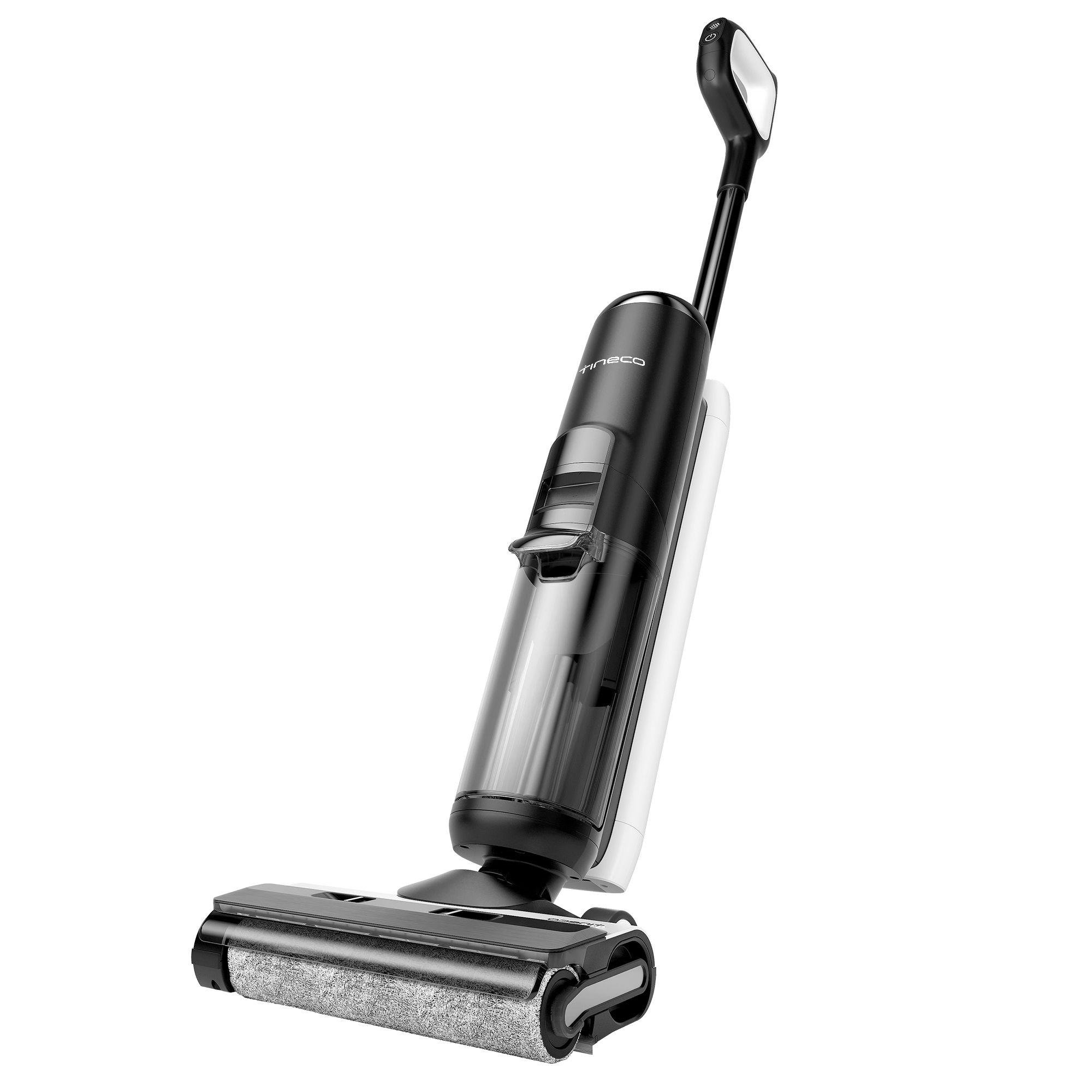
Dyson WashG1 — Matte Black/Ultra Blue
A good fit if: For cordless hard-floor washing with separate solid-debris disposal.
The tradeoff: It is not a rug or carpet vacuum.
As an Amazon Associate I earn from qualifying purchases. How shopping links work.
CrossWave 1785A
View this model on Amazon : BISSELL CrossWave 1785A — Green (opens in a new tab)Check the seller, exact variant, price and included accessories.Dyson WashG1
View this model on Amazon : Dyson WashG1 — Matte Black/Ultra Blue (opens in a new tab)Check the seller, exact variant, price and included accessories.See the product photos and comparison illustration
The facts, side by side.
Manufacturer specifications for the named models. On small screens, scroll the table sideways. A blank research field means the fact was not included here, not that the manufacturer does not publish it. Conditions and differently scoped specifications are kept separate.
| What matters | CrossWave 1785A [1] | Dyson WashG1 [2] |
|---|---|---|
| Power source | Corded; 25-foot power cord | Not included in this comparison |
| Surface scope | Sealed hard floors and area rugs | Sealed hard floors |
| Clean tank | 28 fl oz | 1 L / approximately 33.8 US fl oz |
| Dirty tank | 14.5 fl oz | 0.8 L; separate debris tray |
| Cleaning path | 12 inches | Not included in this comparison |
| Water separation | Separate clean and dirty tanks | Not included in this comparison |
| Controls | Hard-floor and rug cleaning settings | 3 hydration levels plus Max boost |
| Collection | Not included in this comparison | Counter-rotating rollers; mechanical debris/liquid separation |
| Power | Not included in this comparison | Cordless; up to 35 min manufacturer runtime |
| Care | Not included in this comparison | Dock self-clean cycle; manual tank/tray/roller care still required |
Listed maximums are manufacturer claims under their stated conditions, not results from our own testing. Regional versions and bundles can differ. No live prices or stock claims are shown.
Decide which floors belong in the job
CrossWave provides hard-floor and rug settings. If a kitchen or living area includes suitable area rugs, that capability may be useful. It does not turn the appliance into every kind of carpet-cleaning machine or mean any delicate rug is safe to wash. Follow the floor and rug care instructions before applying water and formula, regardless of which setting appears on the handle.
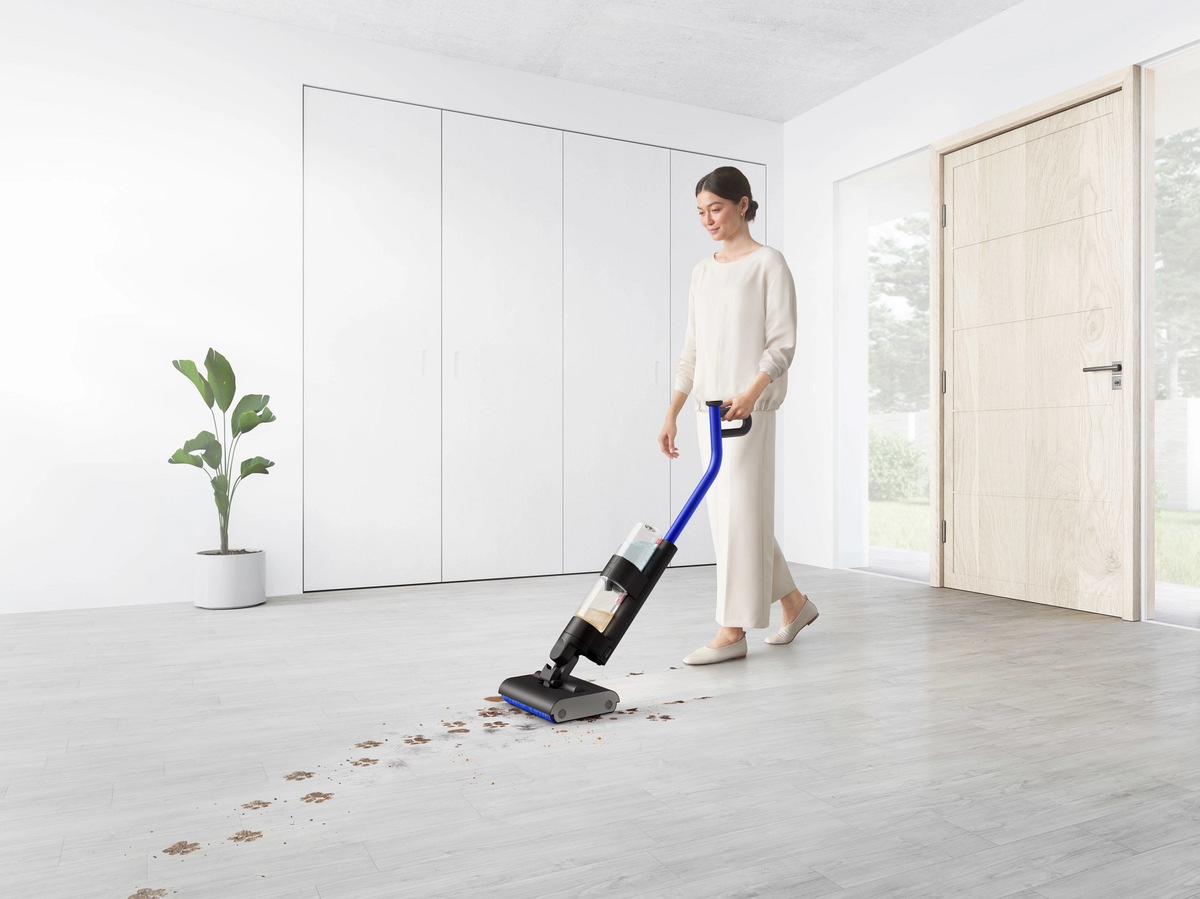
WashG1 is intended for sealed hard flooring. It uses two counter-rotating microfiber rollers rather than vacuum suction to collect wet and dry debris. If your principal task is washing hard kitchen floors, that can be the relevant job. If you want the same appliance to vacuum upstairs carpet or extract an upholstery stain, its dedicated floor-washing role does not cover those other tasks.
Manufacturer references: CrossWave 1785A · Dyson WashG1
The collection method determines the disposal routine
CrossWave directs collected dirty liquid into a separate dirty tank. WashG1 separates debris into a removable tray and liquid into its dirty-water tank. That affects what you empty into the bin and what you pour away afterward. Consider where you will perform those steps and how comfortable you are cleaning rollers and collection parts after a meal-time spill.
Dyson supplies a dock self-clean cycle, but its support instructions still require manual tank, tray and periodic roller care. Automatic flushing is not a substitute for examining the parts that collect dirt. Likewise, CrossWave needs its brush and tanks maintained as instructed. The better routine is the one you will complete consistently; an appliance left with dirty fluid does not become convenient because it has an appealing mode button.
Manufacturer references: CrossWave 1785A · Dyson WashG1
Trade a moving cord for battery planning
CrossWave’s 25-foot cord follows the machine around the room. WashG1 is cordless and advertises up to 35 minutes, with actual operation depending on use. Neither figure is a room-count promise. A cord requires socket planning and managing the cable; a battery requires charging and a suitable dock position. Picture the path around chair legs, kitchen islands and doorways before deciding which constraint is easier in your home.
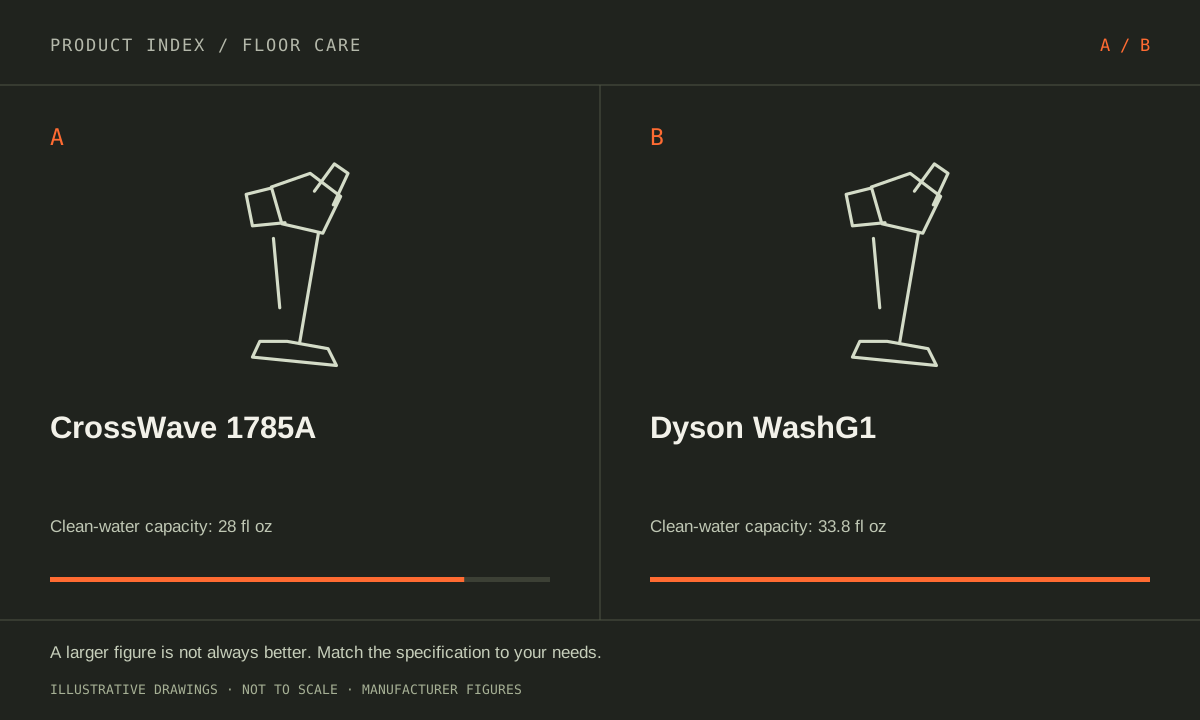
CrossWave lists 28 fluid ounces of clean tank capacity. WashG1’s 1-liter tank converts to approximately 33.8 US fluid ounces. The illustration compares stored clean water, not cleaned floor area or suction performance. Water settings, spills and passes affect consumption. Choose surface scope and the disposal/power routine first, then compare current packages and consumables for those exact models rather than a newer similarly named CrossWave or Dyson variant.
Manufacturer references: CrossWave 1785A · Dyson WashG1
A CLOSER LOOK AT OWNERSHIP
Beyond the specification sheet.
Additional model-specific document research checked October 20, 2026. The original comparison’s specification check date remains shown above.
Set up the version you are actually buying
CrossWave 1785A combines washing and pickup for its specified sealed hard floors and area rugs. Confirm the flooring manufacturer’s instructions first, then plan how a corded cleaner will move between rooms and outlets. Its rug setting should not be treated as proof that it performs the same job as a dedicated full-size carpet extractor on every carpet.
WashG1 is intended for sealed hard floors and separates debris and liquid mechanically. It is not a dry carpet vacuum. Plan access to its tanks, debris tray and charging dock, and review the floor manufacturer’s moisture guidance. The hydration controls are a way of adapting the wash routine, not evidence that every hard surface can accept the same amount of water.
Sources: BISSELL CrossWave 1785A — Green — official model information (opens in a new tab) · Dyson WashG1 — Matte Black/Ultra Blue — official model information (opens in a new tab) · BISSELL — CrossWave and Pet Pro maintenance (opens in a new tab) · BISSELL — floor-specific cleaning guidance (opens in a new tab) · Dyson WashG1 — owner setup and maintenance (opens in a new tab) · Dyson WashG1 — full owner care, self-clean and roller replacement (opens in a new tab) · Dyson US — warranty coverage and exclusions (opens in a new tab)
Price the useful package and recurring supplies
BISSELL’s CrossWave cleanup guide continues after the tray rinse: unplug, remove the brush roll for upright drying, empty and rinse the dirty tank, and handwash the filter and screen in warm water. Parts must dry before reassembly. That means a sink and drying position are real parts of the setup. If quick spills are your main use, weigh this entire after-use routine against keeping a simple mop available.
Dyson estimates about 25 hours of roller use before replacement, depending on use, and provides a roller-lifetime counter on the screen. Treat rollers as an ongoing purchase rather than a permanent attachment. The owner guide also calls for checking them every few uses and manually washing debris out with warm water and detergent, then drying thoroughly. That work still exists alongside the dock cycle; retaining a separate carpet vacuum may also be necessary.
Sources: BISSELL CrossWave 1785A — Green — official model information (opens in a new tab) · BISSELL — CrossWave and Pet Pro maintenance (opens in a new tab) · BISSELL — floor-specific cleaning guidance (opens in a new tab) · Dyson WashG1 — Matte Black/Ultra Blue — official model information (opens in a new tab) · Dyson WashG1 — owner setup and maintenance (opens in a new tab) · Dyson WashG1 — full owner care, self-clean and roller replacement (opens in a new tab) · Dyson US — warranty coverage and exclusions (opens in a new tab)
Understand maintenance, repair and service scope
For CrossWave 1785A: BISSELL’s CrossWave instructions include brush-roll removal and drying after the rinse procedure. Plan dirty-water disposal, filter care and a place for wet parts, not only the minutes spent pushing the machine. Check floor-maker guidance as well as cleaner compatibility. A fresh-water tank or self-rinse feature does not turn the whole system into a maintenance-free appliance.
For Dyson WashG1: Check exact replacement roller availability and the US warranty rather than assuming cordless-vacuum accessories or coverage transfer. Ask about return eligibility if you are unsure of handling or floor fit. If your existing washer already leaves an acceptable result, compare the complete cleanup routine before paying for a different collection mechanism.
Sources: BISSELL CrossWave 1785A — Green — official model information (opens in a new tab) · BISSELL — CrossWave and Pet Pro maintenance (opens in a new tab) · BISSELL — floor-specific cleaning guidance (opens in a new tab) · Dyson WashG1 — Matte Black/Ultra Blue — official model information (opens in a new tab) · Dyson WashG1 — owner setup and maintenance (opens in a new tab) · Dyson WashG1 — full owner care, self-clean and roller replacement (opens in a new tab) · Dyson US — warranty coverage and exclusions (opens in a new tab)
What rules one out—and when to keep what you own
CrossWave is relevant when the documented area-rug capability is part of the job. WashG1 is relevant for a cordless sealed-hard-floor routine and its separate debris/liquid collection approach. Rule out WashG1 as a replacement for carpet vacuuming, and confirm that either wet process is permitted on the floor before comparing convenience.
Keep the current washer when it leaves the desired result and cleanup is acceptable. If the problem is cord handling, WashG1 addresses that specific part of the session but still needs tray, tank and roller care. If the problem is after-use maintenance, compare both complete procedures rather than assuming a different collection mechanism removes the work.
Sources: BISSELL CrossWave 1785A — Green — official model information (opens in a new tab) · BISSELL — CrossWave and Pet Pro maintenance (opens in a new tab) · BISSELL — floor-specific cleaning guidance (opens in a new tab) · Dyson WashG1 — Matte Black/Ultra Blue — official model information (opens in a new tab) · Dyson WashG1 — owner setup and maintenance (opens in a new tab) · Dyson WashG1 — full owner care, self-clean and roller replacement (opens in a new tab) · Dyson US — warranty coverage and exclusions (opens in a new tab)
THE REST OF THE BUYING DECISION
Think beyond the upgrade.
The right cleaner starts with the floor and the mess, then the effort you are willing to spend maintaining the machine. Dry vacuuming, wet washing, carpet cleaning and spot treatment solve different problems. This guide uses official care instructions to make those differences practical; it does not claim independent pickup, noise or battery tests.
The floor care field guide covers the broader ownership questions, with source-specific examples. It complements this exact-model comparison; its examples do not establish features or policies for every model here.
MAKE IT YOUR DECISION
Your before-you-buy checklist.
Use this as a final check, alongside the model-specific evidence above.
Check off the questions you have resolved. Nothing is sent to a server.
Before you place the order.
- Match the full model name and generation. A similarly named bundle may have different accessories.
- Confirm the total price, seller, warranty eligibility, delivery estimate, and return terms at checkout.
- Account for any accessories or compatible equipment your setup needs. An upgrade only has value if you will use it.
Your product questions, answered.
Can WashG1 clean carpet like a vacuum?
No. It is a dedicated wet cleaner for sealed hard floors.
Does a larger clean tank guarantee more floor area?
No. Water settings, passes and the mess determine consumption.
Can WashG1 also be my dry carpet vacuum?
No. The documented device is a sealed-hard-floor washer. A home with carpets needs an appropriate separate dry-cleaning tool.
Sources: BISSELL CrossWave 1785A — Green — official model information (opens in a new tab) · BISSELL — CrossWave and Pet Pro maintenance (opens in a new tab) · BISSELL — floor-specific cleaning guidance (opens in a new tab) · Dyson WashG1 — Matte Black/Ultra Blue — official model information (opens in a new tab) · Dyson WashG1 — owner setup and maintenance (opens in a new tab) · Dyson WashG1 — full owner care, self-clean and roller replacement (opens in a new tab) · Dyson US — warranty coverage and exclusions (opens in a new tab)
Does WashG1 self-cleaning eliminate debris handling?
No. Its system still has collection components and owner maintenance described by Dyson. Budget for disposal and care as well as the automatic cycle.
Sources: BISSELL CrossWave 1785A — Green — official model information (opens in a new tab) · BISSELL — CrossWave and Pet Pro maintenance (opens in a new tab) · BISSELL — floor-specific cleaning guidance (opens in a new tab) · Dyson WashG1 — Matte Black/Ultra Blue — official model information (opens in a new tab) · Dyson WashG1 — owner setup and maintenance (opens in a new tab) · Dyson WashG1 — full owner care, self-clean and roller replacement (opens in a new tab) · Dyson US — warranty coverage and exclusions (opens in a new tab)
What service questions matter before buying CrossWave 1785A?
Use the exact 1785A identity when requesting a part or service assessment. Ask the seller about warranty, opened returns and the treatment of formula or accessory bundles. If the current washer is inconvenient because cleaning up after it takes too long, moving to another wet system should be evaluated against its full after-use procedure, not just its cordless label.
Sources: BISSELL CrossWave 1785A — Green — official model information (opens in a new tab) · BISSELL — CrossWave and Pet Pro maintenance (opens in a new tab) · BISSELL — floor-specific cleaning guidance (opens in a new tab)
What maintenance should I plan for Dyson WashG1?
WashG1’s dock cycle starts by emptying the debris tray and water tanks, then filling the clean tank to MAX. After the advertised 140-second cycle, the tray and tanks must be emptied again. Dyson also calls for regularly rinsing both tanks and thoroughly drying the debris tray before reassembly. A self-clean button therefore reduces one task while leaving disposal and drying to the owner.
Sources: Dyson WashG1 — Matte Black/Ultra Blue — official model information (opens in a new tab) · Dyson WashG1 — owner setup and maintenance (opens in a new tab) · Dyson WashG1 — full owner care, self-clean and roller replacement (opens in a new tab) · Dyson US — warranty coverage and exclusions (opens in a new tab)
Sources & limitations.
Original comparison research: October 18, 2026. Individual product-source checks and ownership additions carry their own dates. These links identify the manufacturer evidence used for the specifications. Recommendations and practical implications are our editorial judgments. We have not measured performance, reliability, comfort, or long-term ownership for this comparison.
- BISSELL CrossWave 1785A — Green — manufacturer specifications (opens in a new tab)
Checked October 18, 2026. - Dyson WashG1 — Matte Black/Ultra Blue — manufacturer specifications (opens in a new tab)
Liters converted to US fluid ounces for the diagram; capacity is not a cleaned-area claim.
Dyson WashG1 manufacturer support and cleaning guide (opens in a new tab)
Checked October 18, 2026.
Confirm current specifications for your region and exact bundle. Read our research and correction approach.